4 Lip – Smacking Accidents

When we see leftover food, half-empty fridge, and terribly lazy to cook. You just want to dump everything on a pan and manage to cook whatever turns out. The dish turns out to be delicious and failure often. It’s alright if you screw up the recipe, just embrace it and try again. Don’t forget Some of the greatest discoveries are made by accident and it’s no exception when it comes to food. To cook a great dish you need right recipes, right ingredient, right method but this is not as important as taste. Sometimes a little mistake, accident, a mishap can give amazing and lip-smacking results. As it is said, “best things happen unexpectedly”.  Here are some chronological examples of the accidental discovery of some mouth-watering, delicious recipes, starting right from ancient to the modern age.
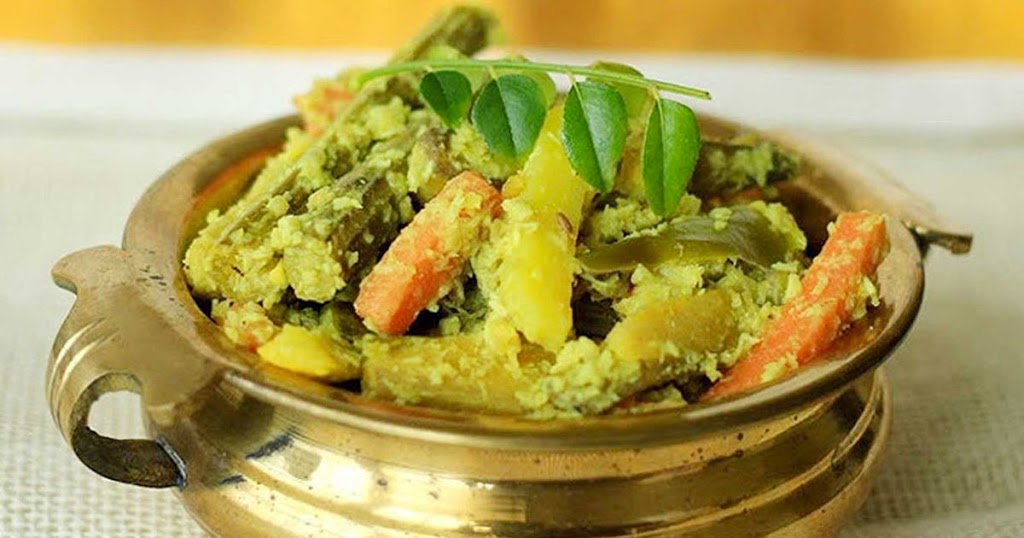
 
Aviyal- A Mix Vegetable of Mahabharata era.
A day to day south Indian preparation made with mix vegetables, curd, coconut, and spices. This dish is special for Onam, the festival of Kerala. This dish is special because of the way it was created. This dish has roots right in the Mahabharata as per Kerala narratives.
As per one of the popular narratives, Duryodhana once poisoned Bhīma and threw him into the river. When Bhīma didn’t return for a long time everybody thought that Bhīma was dead. Shradha a mourning feast is organized on the 13th day as per customs, Pandavas also organized Shradha Feast for Bhīma. A lot of food was being prepared for the feast and Bhīma returned alive. Seeing Bhīma alive Pandavas canceled the mourning feast. seeing the food go waste Bhīma was unhappy. Bhīma then mixed all the vegetables and created Aviyal. Another narrative says that when Bhīma was a cook at King Virata’s kingdom during their Agyaat-Vaas, One day when the king received unexpected guest sage Durvasa, who is known to give freely curse people due to his short temper. Bhīma was asked to prepare a feast for Sage Durvasa, But in the kitchen, the ingredients available were not enough for one single dish, so Bhīma mixed all the vegetables he had and made a curry, thus Avial was created which was well appreciated by Sage Durvasa.
Biryani- Meat and Rice Dish of Pre Mougal Era
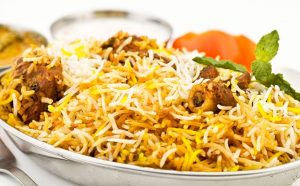
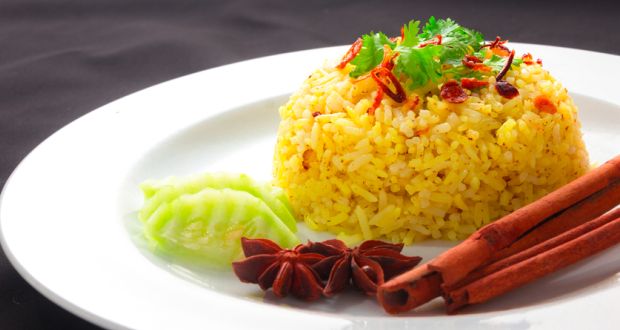
One of the most popular dishes of rice dish. This dish is eaten widely throughout the country and has its own variant every place it is cooked, this dish is made in many forms, Chicken Biryani, Mutton Biryani, Egg Biryani, seafood Biryani, Veg Biryani, and the list can go on. The origin of this dish can be traced to the pre mogul era, the era when Persian invaders were colonizing and invading other territories. The word Biryani originates from the Persian word ‘birian’ which means fried before cooking. The Persian invaders started with a small army and started to increases their strength by acquiring colonies. During the invasion voyages, it was very difficult to get a proper meal and give the army complete nourishment, In order to give proper protein and complete nourishment. The Persian army figured out a one-pot dish wherein meat, rice, spices were all cooked together as a solution to the quick, easy and nutritious dish. This resulted in the invention of Biryani. This innovation spread throughout the Persian colonies and became the dish it is today.
Sambar- A type of Dal (Lentil Soup) of Maratha Era
A name inseparable from South Indian food, you cannot imagine Idli, Dosa, Vada, Rice, etc without Sambar. a hot, tangy and spicy blend of lentils and mixed vegetables giving both appetizing aroma and taste. Sambar a synonym with Idli originated in much later, during the Maratha period. This dish was a last moment ‘everything into pan’ move in the 17th century. As per popular reads, this dish originated in the kitchen of Thanjavur Maratha Ruler Shahaji, he had a special liking for a dish called ‘Amti’. One day great Maratha Ruler Shivaji Maharaj’s son Sambhaji was visiting his cousin Shahaji. Shahaji wanted to serve Amti to his cousin, however, key ingredient ‘kokum’ ran out of supply, Shahuji himself experimented the dish with Toor dal, vegetables, spices, and the tamarind pulp and served his cousin, Sambhaji. The other narrative says that once Sambhaji himself cooked dal with Tamarind Pulp and whatever he had found in the kitchen when his chef was away. Sambhaji loved this dal so much that he gave his name to this dish, and this dal became sambar.
Pav Bhaji:- A Mumbai’s Delicacy of British Era
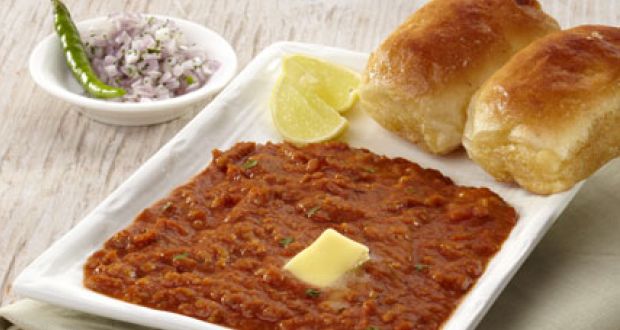
Pav Bhaji a lip-smacking, hot spicy, buttery tomato and mashed vegetable preparation that is eaten with Pav on the streets and beaches of Mumbai. Although this dish is made differently in states across the country, The roots still remain in Mumbai. As per popular reads, there are two causes for the origination of this dish.
During the late British colonial era in Mumbai, When the mill industry was functional emerged this dish from leftovers. The mill workers undergoing a tremendous amount of physical labor received a very short Lunch break, which was not enough for a complete meal. Also during those times, the cotton market was in great demand. Traders would receive the cotton price through a telegram in the night. The traders needed to be awake till late nights and finding food in nights remained a challenge. Looking at these two challenges one local vendor selling regular lunch, experimented with leftover ingredients of other dishes available on with him, He mixed potatoes, onion, tomatoes, vegetables, spices, and curries on a Tawa to create ‘Bhaji’ what we see today, As his Rotis and rice would be over after his daily sales he started to serve this ‘Bhaji’ with Pav.  This tasty, flavorful dish became an instant hit. Pav Bhaji became a midnight dish and a dish of mill workers and gained the popularity that we can see till date. 

Chocolate and The Goddess

 Chocolate is one of the most popular and loved the flavor in the world. Used in all forms in many delicacies such as desserts, brownies, cakes, eaten as bars, flavoring agents, beverage and many more. Chocolate is one of the largest selling flavors. “Kuch Meetha Hojaye” as Cadbury’s Tagline says, Chocolate today has replaced traditional sweet used in festivals, given as gifts and become part of the day to day lives.

Chocolate is long known to have a reputation of an aphrodisiac since the beginning of civilization. Chocolate is known to contain phenylethylamine (PEA), which stimulates the same hormone your body releases during sex. It also sparks dopamine production in the brain, giving a satisfying and pleasurable feeling when eaten. That’s probably why the internet generates numerous references to the aphrodisiac power of chocolate or ‘women’s preference for chocolate over sex’.

The aphrodisiac use and popularity of chocolate go to the oldest civilization in the Mesoamerican region. Mayans were known to consume liquor made of chocolate known as ‘xocolatl’ since early as 1750 BCE. Cocoa beans were so dear to the Mayans that they used this as a currency at one point of time. The association of a goddess to this particular food explains the role chocolate played in the civilization.

‘Ixcacao’ a Mayan goddess of chocolate was one of the ancient fertility goddesses. The word ‘coco’ originated from her name ‘cacao’ she was also revered as the goddess of abundance and protections. It was believed that it is because of this goddess that Mayan’s would never suffer from hunger. Ixcacao also played a very important role in teaching agriculture, protecting the harvest and also the creation of mankind.

The Legend of Chocolate Goddess

The story begins with Grandmother Goddess Ixmucane being worried about upbringing her grandchildren, as her sons were already killed while on the adventure to the netherworld. Ixmucane was the last soothsayer she knew that once when she gets old, her grandsons would be in despair. One day while she was thinking about her grandsons she saw a pregnant woman standing before her.

The young woman approached the old goddess and told her that she was carrying her son’s children who had been killed. She was the daughter of the king of the netherworld who was cast out. She requested grandmother goddess to allow her to live with her and give a home to her progeny.

Hearing this Ixmucane was startled. The young woman further said that she was Ixquic or ‘Blood Moon’. She witnessed her son Hunahpu getting decapitated by the soldiers under the calabash bush. His bloody head continued to talk to Ixquic after he died. Hunahpu had spat upon her hand and it was this that caused Ixquic to conceive the twins. Ixcumane not believing the story set forth a test to the young woman. Ixcumane told the young woman to go to the field with a large net and not come back until the net was filled with food. The Ixquic went to the forest with the net and found only one cob of corn growing. She was helpless and in despair started to pray.

Ixcenil, Goddess of Seed, hear me

Ixtoq, Goddess of Rain, help me

Ixcacao, Goddess of Chocolate, see my tears

and come to my aid”

Hearing her prayers the goddesses came to her rescue. Ixcenil the god of the seed gave her seeds, Ixcacao the goddess of chocolate taught her to plant and harvest crops also protected the plants until they were ripe. Goddess of rain Ixtoq helped nurture the crops. With assistance by the goddesses, Ixquic returned home with the net filled with food, and the grandmother goddess was extremely joyed and she welcomed her to the family.

The young woman in winter solstice gave birth to sacred twins the oldest son was named Hunaphu after his father and was believed to sacrifice his life for mankind and became sun god.  The younger brother Xbalanque resembled the moon and was transformed into a woman, during the emergence of patriarchal times and became the moon goddess.

In the Ancient Mayan times both gods and humans were required to sacrifice their lives so

that the world can be protected. It was believed that Gods when created the world they failed four times and then when that decided to sacrifice their lives that could create the sun. They believed that if the sun stopped moving through the sky then the world would be destroyed and the only way to keep the sun moving was through quenching its thirst with the blood of humans or gods. This was carried out each year on top of the Temple. The young ones would die in the name of the ritual. Seeing this Goddess of Chocolate Ixcacao felt very disturbed and compassionate and decided to do something about it. She partnered with Huitaca the goddess of love and pleasure so that this ritual could be stopped. Ixcacao and Huitaca came up with a plan to stop the cruelty.

The Goddess of Chocolate taught the kings how to make the chocolate liquor from chocolate. As chocolate being an aphrodisiac food gives a similar feeling of falling in love. This was probably the first use of chocolate as an aphrodisiac food. The kings became dependent on this liquor and its Aphrodisiac energy to rule and win wars. The kingdoms fell and were taken over by enemies.

The land became a place for war and there was great distress among people. People were malnourished, starving and the land was almost dying out. It was then Huangpu as predicted sacrificed himself once again to the sun for the so that after him people would never need to sacrifice their lives to the sun again. Then Ixcacao, the goddess of chocolate came again to the rescue as a fertility goddess and also the protector of the harvest.

The chocolate played a very important role during Mayan times and was one of the rich foods of those times. Therefore it was directly associated with the food of the gods. As the society was matriarchal, the goddess of fertility and protector of the harvest was made the goddess of chocolate. Also when the society turned towards patriarchal they forced the goddess of chocolate to marry Ek Chuah, their god of commerce, this led to chocolate becoming a prized commodity and a currency for trade. Further, this food became the food of wealthy and powerful and poor people were banished from eating chocolate.

Seeing the scenario of society change chocolate became the cause of the downfall of the monarchy. Common citizens needed a reform which then led to conquering by the Aztecs.  Looking at the priced commodity of coco Aztecs adopted the goddess into their own. It was when one of the Mayan lastly sacrificed himself to stop human sacrifices further the society became stable. This indicates that either all Mayan’s got converted and surrendered to Aztecs or they were killed by new conquerors.

Whatever be the history we have delicious chocolate and various cuisines associated with it, thanks to the Mayan’s to have discovered this.

The Birth of Sandwich: – A Creation Story

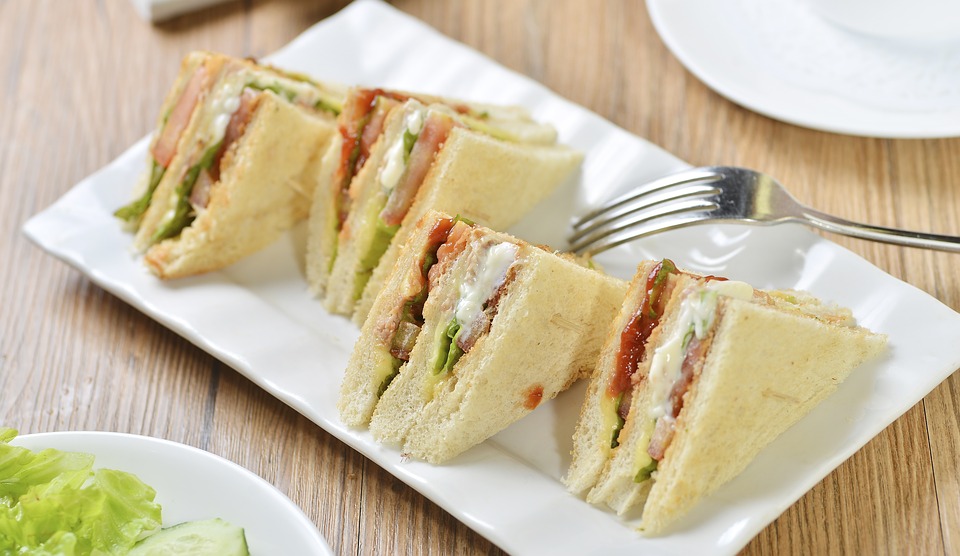
Life is so busy and everyone has time management issues. People are so busy that they do not have even the time to eat. When you are engrossed or busy working, what would one prefer to order? Certainly a ‘Sandwich’, it is quick and easy and fast. A sandwich is one of the most popular gourmets of all times. The sandwich is also a staple food of America. 
 
The definition of a sandwich is sliced bread with meat or filling in between. This sandwich has evolved to be rolls, wraps, burgers, tacos, hot dog, and many more. People are so depended on a sandwich that has become part of life.
 
Ever wondered how this dish emerged? Here are the legends behind it.
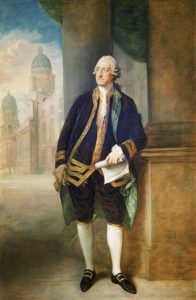
4th Earl of Sandwich

The mystery behind the name:

The story goes in 1762, 4th Earl John Montagu, once during a 24-hour gambling streak was so engrossed in his card game that he instructed his cook to prepare food that he could eat with one hand without disturbing his game.   The cook served meat in between slices of bread. This then became Earl’s favorite and also took on to be known by the Earls name “Sandwich”. Earl’s birthday on November 3rd is celebrated as National Sandwich day in Britain.

The First Sandwich:

The first sandwich was Hillel’s Sandwich. This was invented by 1st-century Jewish religious leader Hillel also known as “Hillel the Elder”. He was born in Babylon 110 BCE. During Passover When the Jews are supposed to eat unleavened bread with bitter herbs as per God’s Instructions. (Numbers 9:11, Bible). Hillel wrapped Paschal lamb (lamb sacrificed at Passover), the matzo and the bitter herbs to eat them as one, in fulfillment of the instruction. People in his remembrance in the temple do eat such a sandwich in remembrance to what Hillel did.
A plate eaten
In the medieval cuisine during Middle Ages food at gatherings and parties were served on Trencher. Trenchers are tough loaves of bread cut into half and used as plates. It was believed that after the food has eaten the bread was either fed to the dog or given to the poor in alms. The trenchers, fortunately, absorbed sauces and gravy from the food that was served on top making it consumable by poor. There was also saying that “A man has to be really hungry to eat his own trencher”. Here we can see the concept of an open sandwich or maybe a pizza.


Go Grab a Sandwich Now!!!!!

7 facts about Khichdi

On 4th of November, A great feat was achieved on; India made Guinness world record by preparing 918 Kg of Khichdi at a three day World Food India 2017 Event.
 
When you talk about Khichdi, the first thing that comes to mind is that someone is unwell, “Bimaro Wala Khana”. There is much more to Khichdi than just food for the unwell.
 
Khichdi is easily digestible and full of nutrition. This dish in many variations is made and loved spanning from east to west and north to south in our country.  Khichdi also became unofficially national dish of India.
 
Here are 7 unknown facts about the most talked dish.
 
1. The oldest dish: Khichdi is one of the oldest known Indian dish, as we can find traces of Khichdi as Krusaranna in Kamika Agama, around the 2nd-century text. Also, the dish is mentioned in 13 Th century Moroccan traveler, Ibn Battuta’s diary as khishri made with rice and mung beans. And then again in 15th-century writings of a Russian adventurer, Afanasiy Nikitin, talks about Khichdi.
2.    A Favorite of Mughals: we all have heard the story of Birbal and his Khichdi, certainly this dish was a favorite in Emperor Akbar and his son Jahangir. In the 16th-century text Ain-i-Akbari or otherwise known as Constitution of Akbar written by his vizier, Abu’l-Fazl ibn Mubarak. The recipe says that Khichdi (Khichdi) was made from mung dal, rice, salt, and ghee.
 
3.    From the Agamas: Kamika Agama a second-century text in its chapter 6 verse 30 – 59 talks about various dishes and methods of preparation and offering to gods. Krusaranna is said to be evolved to today’s Khichdi, Krusaranna was prepared with sesame seeds, mung beans, salt, and black pepper and a certain quantity of rice. There are two more variations mentioned in the chapter. Cooked rice mixed with mung beans is called Mudganna and cooked rice, pepper, turmeric powder, cumin, and mustard seeds are used to prepare a dish known as Haridranna. These are three possible variations of Khichdi as mentioned in the agama.
 
4.    Makar Sankranti connection: – Makar Sankranti is a day of celebration for many. Sun enters Makara Rashi or Capricorn. Marking the end of winter solstice and beginning of summer. This festival is celebrated in many ways. In some regions of India, people make a certain kind of Khichdi with Udad dal. If we analyze the Khichdi the connection, the lord of Capricorn is Saturn, and the sun entering Saturn’s its sworn enemy’s sign can be troublesome. For most Sankranti period marks beginning of harvest. According to Lal Kitab, Saturn is pleased with urad dal, therefore out of many remedies for Saturn’s malefic effects some say that one should either donate urad dal or food made with urad dal in charity. Therefore we can see eating of Udad Dal Khichdi can be a part of pleasing Saturn so that the harvest goes well, and there are no obstacles in a harvest.
 
5.    A  Monks favorite:  Monks rely on alms, they go door to door and seek alms and manage with whatever they get. It is during medieval times monks used to travel and camp places. They used to go door to door and seek alms; mostly they would manage with some amount of Rice and Dal. Sometimes if lucky they would get some vegetables or spices. With whatever they would get in alms they would add everything to a pot and cook.  This also marked the beginning of Khichdi. This Khichdi was a sole meal for any monk, be it Buddhist, Hindu Sadhu, Jain monks, Sufi saints, etc. Monks played a significant role in spreading Khichdi across the country, today every part of country Khichdi is cooked in their own style.
 
6.    Detox Diet– Khichdi as per Ayurveda is used for detoxifying and cleansing of the body. Khichdi is said to be a dish that balances all three doshas – cough, pita, vaat. In Ayurveda, it is believed that health starts in the digestive system. The function of the whole system is dependent on the proper digestion, assimilation, and elimination of food; if this system is not proper then one may be vulnerable to disease. The digestive energy is called Agni, this fire must be strong and so beyond just cleansing the body, here Khichdi will rekindle Agni in the body and help in balancing the entire system.
 
7.    Unity in diversity– Is a dish that whole India cooks; it is also popular in Nepal and Pakistan. The dish is made in many variants in coastal Maharashtra it is made with prawns.  In Bengal, the dish is considered a rich gourmet delicacy and is loved in the monsoons.  It is a staple for holy ceremonies and as an offering to Gods. In Bihar, It is customary to eat Khichdi every Saturday, and also at dinner during Makar Sankranti. In Gujarat and especially Kutch region Khichari is the traditional diet and a daily meal. in rural Haryana, kichri is made from bajra and mung dal. Odisha has many varieties of Khichdi; out of many Adahengu Khechidi is a popular dish in the Puri Jagannath Temple. Karnataka and Tamil Nadu have their own variants, Bisi Bele bath, and Pongal respectively. Khichdi also has an important place in Hyderabadi cuisine; Khichdi here is called “Khichdi, Kheema, and Khatta”.

Bamboo and Creation of Mankind.

 
Bamboo is our day to day plant. Bamboos are one of the fastest-growing plants in the world. Bamboos have been part of our life from primitive times. The bamboo shoot has been a favorite ingredient in many Asian cuisines. Bamboo is used in making of Houses, Musial instruments, writing surface and also in making of primitive weapons. In Feng – Shui Bamboo is considered a plant of luck and prosperity. The bonding between humans and bamboo is so intense that the first man was also said to be born inside a bamboo.
 
Last surviving Member of Bo Tribe
The Bo tribe of Andaman Islands has a legend which says that the first man was born inside a bamboo, the same way as we see the world egg creation stories across many cultures such as Vedic, Egyptian, Greek, Norse, and many more.
 
The Creation
 
The Bo tribe of the Andaman Islands called the first man Jutpu. This primordial man Jutpu was born inside the joint of a huge bamboo. Just as we have world egg stories, where primordial man is born inside an egg and the creation takes places through the hatching of that egg. The same way bamboo then split (hatched) into half and Jutpu came out. He was a little child when he appeared. The time it rained he used bamboos and made a hut for himself to live in. He also made little bows and arrows. As Jutpu grew older he made bigger huts and bigger bows and arrows.
 
One day while he was wandering in the forests he found a lump of quartz and with it, he sacrificed himself, this may be considered as the time when Jutpu crossed the threshold and stepped into adulthood. Now Jutpu was feeling lonely, as he was an adult now and needed a companion.   He took some clay from the nest of white ants and molded it into a shape of a woman and brought the figurine to life. The woman became alive and Jutpu took her as his wife. She was called Kot. Jutpu and Kot lived together at Teraut-buliu. Jutpu then made many people out of the clay just as he made his wife and populated the place. This became the ancestors of Bo people. Jutpu taught men how to make canoes and bows and arrows, and how to hunt and fish. His wife Kot taught the women how to make baskets and nets and mats and belts, and how to use clay for making patterns on the body.” Thus the creation of mankind and civilization took place. 

The Delicious Debt


The festive season is here; with festivals approaching everybody is busy shopping. It is a season of sales and discounts, attractive offers. People are busy buying electronics, furniture, clothes, and some even buy a new house or their dream car. The best part is that everything you want to buy you can get it instantly, whether you have the money or not, you need to just strongly think of buying it. What are banks for? What are credit cards for? We see so many offers on “buy-in easy 0% interest EMIs, buy at affordable interest rates, at times we also see offers “shop with your credit card” and the best spender will get gold from the bank. People are so blinded that they go and buy it right at once.

Little they realize that they are falling in the dark dungeon of debt. Let me tell you debt is a scary word. We are going after the American Dream “we want stuff that we can’t buy, the credit card will help us buy”. Living in this illusion America seems to have the highest score of debt; every 8 out of 10 individual is in debt. With the entire scary introduction, the debt might be looking a little bitter in taste. But I know of one debt that is actually sweet and delicious in taste. Let me help you taste this debt.

You can taste this sweet debt in Ambalappuzha Sri Krishna Temple, located at a temple in Ambalappuzha, Alleppey district of Kerala about 53 Km from Kochi, the district where you enjoy your backwater houseboat cruise. This temple is very famous for its ‘Pal Payasam’ a sweet pudding made of rice and milk.

The ‘Pal Payasam’ story.

As per legends, this incident goes in the time of a Chembakasserry King Devanarayanan, (Pooradam Thirunal Devanarayanan Thampuran) was a ruling Namboothiri King. The king was a great chess enthusiast and would love to defeat people in chess. He would walk his gait with his big ego, that there was nobody in this land that could defeat the king.

Once when Devanarayanan was taking his daily brief about his kingdom, a young boy came to his court and challenged him to a game of chess. The king looking at the young boy was a little laid back, He thought “does this boy even knows what chess is “,” Can this boy actually play”. Keeping his thoughts aside the king could not say no to a challenge, so a game was started. Devanarayanan asked the little boy to start. The boy made his first move, the king made the next. While the spectators deeply engrossed in the game, as if they were in some trance. The suspense was extremely high. The boy made one more move and King Devanarayanan had lost the game.

“The king lost” the people watching were in a deep state of disbelief as the king had never lost to anyone, and the king lost to a little boy. Even the king was a little surprised; people thought that the boy must have won by chance. Devanarayanan also asked the boy for one more game. The boy accepted with a smile. A new game started, this too lasted a few moves, once again the champion King Devanarayanan lost again. King Devanarayanan now accepted his defeat gracefully.

The boy was about to leave. Devanarayanan stopped the boy and told him “There is nobody who could defeat me in this game, it’s you who defeated me for the first time, please accept a reward for your great feat. The boy replied he does not expect anything in return; all he wanted to do was meet the king and possibly play a game with the great master. The king could not accept this excuse and kept on insisting to accept the gift. The boy then said “if you insist so much then please give me some rice grains” the king asked, “how many you need?”

The boy said “Let this chess board only decide” Devanarayanan was a little confused with the reply, he asked the boy “What is your calculation?” The boy said “starting from the first square, one grain of rice would be placed, and would be kept on doubling for every next square till the 64th square, of the chess board. It would be 1 in the first, 2 in the second, 4 in the third, 8 in the fourth and so on, that all.

The king was a little baffled by this demand, being little irritated he asked the boy “why such a simple demand?” I am a wealthy man I can give you cart load of precious items, and you seek mere few grains.”The boy modestly told the king Devanarayanan “I do not intend to insult you, if you feel my demand is unjust please let it be, I seek nothing as my reward. 

Devanarayanan felt this was a question of his status as a king, he immediately ordered his ministers to make calculations and fulfill the requirement.

As the ministers were calculating the rice grains to be given, the number started with just one or two grains had reached million tons by the square 40th and was increasing. The king Devanarayanan was shaking with fear, his face had turned pale and legs weak. His whole kingdoms rice was not enough to pay this debt. The amount of rice the king had to give was somewhere in a million trillion tons. It would take hundreds of years to produce.

Devanarayanan in despair called out “Krishna, Krishna please helps me”. Lord Krishna then came in his original form, the boy was none other than Lord Krishna himself, who had come to destroy the ego of his devotee king. Upon seeing the Lord in his true form, tears of ecstasy started to flow from his eyes; he prostrated himself at his feet begging forgiveness for his arrogance. Lord Krishna seeing the king’s dilemma smiled and told the king that he need not pay the debt immediately but could pay him over time “More like easy EMIs.

It was since then the king built this Krishna temple, of Ambalappuzha. The king would serve ‘Paal-Payasam’, made with rice in the temple freely to the pilgrims every day until the debt was paid off. Till date, pilgrims from all parts of the country go and relish this delicious ‘Pal -Payasam’.

It is a must try the food, you would not find such a taste anywhere in the world, cause this contains Lord’s mercy. It is also believed that “Guruvyaur Aapan” (another form of Lord Krishna, the deity of a famous temple in Kerala), comes here to relinquish this ‘Pal -Payasam’.

The Five Maidens

Rivers are very auspicious and are considered divine in the Vedic tradition. The rivers can make one Sin free. The rivers are glorified in all Indian texts, right from Vedas to Puranas, epics, and many more such texts. There is on such river that is mentioned in Padma Puran book 4. This river not only frees you from sins but takes you to Vaikuntha the highest of the spiritual world. This river also frees you from all desires.

The Story
Once there were five beautiful Gandharva maidens, their names were Paramohini, Susila, Susvasra, Sutara, and Candrika.  All five maidens were very attractive and were in the prime of youth. They were so beautiful that it seemed that they came out of the moon like the bright moonlight. The damsels had a lovely face, long hair, perfect physique, adorned with ornaments, etc. They were also proficient in Playing musical instruments, singing, dancing, and Sports. They used to live in the in Kubera’s abode.
Goddess Parvati
Once, the five maidens together in the spring season were collecting Mandara flowers and went to the Acchoda Lake to Worship Goddess Parvati. After their bath they worshiped a golden image of Goddess Parvati adorned with golden and pearl ornaments. They worshiped the Goddess by decorating the deity with sandal paste, perfumes and saffron, accompanied by excellent lotuses accompanied by Singing, Playing Musical Instruments and dancing.
During that time, at the Acchoda Lake came the eldest son of a sage for his daily bath.
The young man had a charming face and was tall, dark and very handsome. Maidens felt this man was just another Cupid. Looking at this Brahmana the girls were delighted and their mind was filled with desires. The celibate had covered himself with deer-skin, Tilaka and had a girdle of the Munja grass resembling gold around his waist.
Seeing that Brahmana on the bank of the lake the girls blinded with desires gave up singing and dancing. They were just knocked out, confused and were just discussing the handsomeness of the man among themselves.
The Brahmana noticed that the damsels were talking about him. As he finished his Daily Sadhana he thought ‘would it be right or wrong to be deluded by a woman. The Brahmana thought that as long as a man is not intoxicated by the spirituous glances of women, his moral sense dominates. He has a certain fear in him. There is then the fear of the society; self-possession; there is a consideration of the family; there is the strength of penance; men practice tranquility. Women with their charming amorous gestures delude and madden a passionate man.
He felt that these maidens were trying to delude and madden him. He wanted to save himself from the clutches of these damsels. He with his mystical powers vanished before these women could approach him. Seeing the celibate vanish with magical powers the maidens were a little intimated by the Brahmana. Crying and lamenting, the maidens waited there for a long time then due to the fear of their parents, went to their respective houses. They could not stop thinking about that handsome Brahmana. Having come home they could not resort to any diversion, nor could they rejoice in their houses. They even did not properly talk with their relatives or play music. They were continuously, but aimlessly, thinking about that best man.
Next morning the maidens went again to the Acchoda Lake to worship Goddess Parvati. As they were doing their morning worship rites meanwhile That Brahmana also came from his father’s hermitage to the Acchoda Lake to bathe. Seeing the Brahmana again the maidens were delighted and this time they did not want to miss any chance. The young maidens went to the Celibate and clenched him in a noose of their embrace. They told the Brahmana that today ‘we won’t let you go anywhere’. The Brahmana was amused and laughed and said I have taken a vow of Celibacy and I cannot break that, also I am still in Student life therefore Marriage at this time is not proper.

Goblins
After hearing those maidens started to preach the benefits and importance of the satisfaction of desires. The Brahmana, however, restrained to listen to their words and said I step into married life only with due permission of my Guru. The maidens kept on insisting and the Brahmana kept on rejecting their ideologies. Understanding the intention of the Brahmana Pramohini seized his feet. 

Susila and Susvara seized his arms. Sutara embraced him and Candrika kissed. Yet he remained unmoved and unaffected, but because of their immoral act of desperation, the Brahmana cursed the Maidens to turn into goblins. The maidens also got furious due to the Brahmana’s behavior they in return cursed the Brahmana to turn into a goblin too. 

After a very long time sage Lomasa came to the Acchoda lake wandering. The goblins living there attacked sage Lomasa but could not stand his luster. One of the goblins was that Brahmana. The Brahmana turned goblin paid obeisance to sage Lomasa and asked the sage to help him, the maidens turned goblin also begged for assistance.  

River Narmada


Sage Lomasa asked all the Goblins to take Bath in Narmada River. Sage Lomasa said one who bathes in the river Narmada would burn, as fire burns a heap of cotton, all the sins committed in the previous seven Births and the present one also. The Narmada is said to satisfy all desires and is the giver of liberation.

 A bath in the Narmada takes one to Vaikuntha and frees one from the cycle of birth and death. Sage Lomasa then asked all the goblins to take bath in the Narmada with him. Due to mere touch of the drops of the water of Narmada, they were freed from their goblin hood. They were freed from the curse of Goblin hood and preceded towards Vaikhunta, thanking the sage Lomasa. 

The Legend Behind Creation of Kashmir.

The most beautiful state of Kashmir, which is also called heaven on earth. surrounded by beautiful flora and fauna. The history of Kashmir is intertwined with the history of the broader Indian subcontinent and the surrounding regions. Historically, Kashmir referred to the Kashmir Valley. Kasmira was a Kingdom according to Puranas was  identified as the Kashmir Valley along the Jhelum River of the modern Jammu and Kashmir state
The Story according to Nilamata Puran.
 
The story starts right at the beginning of the Nilamata Purana, where the land of Kasmira is compared to being the personification of Uma or otherwise known as Sati, the wife of Shiva.

Janamejaya is asking Vaishampayan how this beautiful lake became a territory in this very Vaivasvata Manvantra and Vaishampayan is answering by quoting the narration of Brhadasva to the king of Gonanda. The story begins with the whole idea of time, lineage, how Garuda came being, how Nagas came to being, etc.

I will skip all these and start with the story.
 
The story!
 
Once Indra the king of gods was sporting with Saci (who is called Paulomi in the first verse) on the banks of the lake Kasmira, which was also known as Sati-Saras. There was a chief of  Daitayas by the name Sangrha who was a very powerful demon and difficult to defeat and conquer visited Indra at the lake.
 
Seeing Saci this demon Sangrha became filled with lust and sexual desires for Saci so much so that his semen go discharged in that very reservoir of water. Indra seeing Sangrha fought him and the fight continued for about one year. Indra was able to kill this demon Sangrha and received many praises.
 
A child was born of the semen of Sangrha, and Nagas seeing the child and due to compassion raised the child and named him Jalodbhava (The Water-Born). when Jalodbhava grew to his teenage he did severe penance to please Brahma the creator. Lord Brahma being pleased came to see him and Jalodbhava asked for three boons 1) Immortality in waters 2)Magical Powers 3) and Unmatched Strength.
 
Just as demons typically behave after receiving the boons the same way Jalodbhava also started devouring all the humans who lived near the lake. During this time sage, Kashyapa was on a pilgrimage. Having heard that sage Kashyapa was on pilgrimage Nila the king of serpents went to Kanakhala to meet sage Kashyapa. Nila also joined the pilgrimage with sage Kashyapa. Sage Kashyapa and Nila visited many places of pilgrimage till they came to Madra. When they came to Madra the kingdom was devastated and was suffering from famine. sage Kashyapa inquired from Nila as to why is this very Kingdome suffering from so much calamity this was never such a case earlier. Nila then revealed to sage Kashyapa that this is all due to Jalodhbava a demon child which was raised by him.
 
This Jalodbhava has become very powerful due to the boons of Brahma, and with his evil intellect, he has devoured many regions like Madra. Then sage Kashyapa and Nila immediately went to see Lord Brahma where Lord Vishnu and Shiva were co-incidentally present. Brahma addressed Nila and Kashyapa and told them to accompany him to Naubandhana, Where Lord Vishnu would kill Jalodbhava. Hearing this lord Brahma, Kashyapa, Nila along with Lord Shiva, Vishnu, Indra, all other Gods and Goddesses, rivers proceeded for Naubandhana. Hearing the criticism and plan of the Devatas Jalodbhava did not come out of the water , knowing himself to be imperishable in water. Lord Vishnu, Shiva, and Brahma stood on each peak near the place respectively. 
 
Lord Vishnu also instructed Ananta ( it can be  Balaram too, as according to some texts Ananta is an expansion of Balaram and Balaram Veils a plow)  to divide the Himalayas with a plow and make this lake devoid of water. Hearing the orders of Lord Vishnu Ananta did just that, He made a valley dividing the mountains and the water of the lake started flowing hurriedly, so much so that the lake would be empty soon. seeing the lake turning dry Jalodbhava created darkness. To fight the darkness Lord Shiva held the sun and the moon in his hands bringing the world to light again. Lord Vishnu fought Jalodbhava and cut his head off with his Sudarshan Chakra.
 
The story further says that Sudarshan Chakra was intoxicated by drinking the blood of Jalodbhava and was wandering at its will, Lord Shiva then caught the Sudarshan Chakra by chance. Lord Vishnu then asked Lord Shiva to give back the Sudarshan Chakra and Lord Shiva agreed in exchange for some gifts. thus Lord Vishnu received his chakra again by Lord Shiva
 
The Lake where this war was fought came to be known as Kramasara and the mountain peaks where Shiva, Vishnu, Brahma stood became their personification and place of pilgrimage. Sage Kashyapa, Settled people here and Kramasara became and habitable place.
 
The place got its name Kasmira. the first verse says that Prajapati is denoted with Ka and Kashyapa is a Prajapati, due to which mainly the issue of Jalodbhava was solved and the territory was built by him, therefore the territory was named Kasmira. the immediate verse says that because the water Ka was taken out by Ananta the territory was called Kasmira. Kashyapa then summoned various goddesses and rivers and asked them to inhabit Kasmira, thus Kasmira flourished.


There you go you have a new place called Kashmir, the most loved tourist destination in India.

Nrsimha Appears from Shiva Linga to end Shaiva and Vaishnava conflict.

We know the Shaivite and Vaishnavite conflict very well we have been seeing this in our history and also in some of our texts. Lord Shiva is Supreme in Shiva texts and is a devotee in Vaishnava texts. the same goes for Lord Vishnu in Vaishnava texts.  Why did this conflict happen? that is a matter of long debate and discussion. In Yajurveda, we find this verse that practically ends the Shiva and Vishnu conflict. The verse says


शिवाय विष्णु रूपाय शिव रूपाय विष्णवे |
शिवस्य हृदयं विष्णुं विष्णोश्च हृदयं शिवः ||
यथा शिवमयो विष्णुरेवं विष्णुमयः शिवः |
यथाsन्तरम् न पश्यामि तथा में स्वस्तिरायुषि|
यथाsन्तरं न भेदा: स्यु: शिवराघवयोस्तथा||


Lord Shiva is in form of Lord Vishnu and Lord Vishnu is in form of Lord Shiva, both are interchangeable, Lord Shiva resides in Lord Vishnu’s heart and Lord Vishnu resides in Lord Shiva’s heart. Thus, Lord Shiva is meditating on Lord Vishnu and Lord Vishnu is meditating on Shiva. Thus there is no difference between the two they are one.


The Skanda Puran verse 26/41  यथा शिवस्तथा विष्णुर्यथा विष्णुस्तथा शिव: । अन्तरं शिवविष्ण्वोश्र भनागपि न विद्यते ।। Also confirms the difference in non-difference of Shiva and Vishnu. Thus we can see that Lord Shiva worships Lord Vishnu and also it is the other way around. For example,  Lord Shiva came to Vrindavan specially disguised to see little Krishna and in Ramayana, we can see Rudra Avtar Hanuman helping Vishnu Avtara Rama. Also  Lord Rama before going to Lanka worshiped Lord Shiva, and Lord Parshurama who is Vishnu Avatar took Lord Shiva’s shelter to learn the art of war. There are many such interesting aspects to illustrate the non-difference between Shiva and Vishnu.
To take this further I found an interesting story which expresses the non-difference While doing my usual reading. I am not sure with the source of the story but I guess this is from Visnu-Dharmottara Purana. We all know that Nrsimha the half-man lion incarnation of Lord Vishnu appeared from a pillar but this story gives a little different and controversial entry to Lord Nrsimha.


Shiva and Nrsimha story


There was a  Brahmana by the name Viswaksena, he was a very dear devotee of Lord Vishnu. He was traveling throughout the world. Once, when he was feeling tired, he saw a forest nearby and thought to rest for a while. as Viswaksena was resting in the forest there came a man from a nearby village. He was the son of the Village Chief, Seeing the Brahmana Viswaksena, he said, “I am the son of the village chief. I have a very bad headache today so I cannot offer worship to my Ista , Lord Shiva. So I request you, please offer worship to Lord Shiva today on my behalf.” to which Viswaksena replied, “I am a devotee of Lord Vishnu and I will only worship Lord Vishnu and his forms, I am unable to fulfill your request. You may go elsewhere.”


The son of the village chief became angry and drew his sword, “if you do not obey me, if you do not worship my Ista, Lord Shiva, on my behalf, then I will cut off your head.”


In order to save himself from death, Viswaksena agreed.” Viswaksena thought, “I must worship Nrsimha in the Shiva Linga to kill this person’s Tamo-Guna (Ignorance).” So uttering the mantra “Sri Nrsimhaya Namah” – “I offer my obeisance to Lord Nrsimha” and he offered a flower to the Shiva Linga. When the son of the village chief heard him chant the mantra he got angry and drew out his sword to cut off his head, “What are you doing? You are uttering Nrsimha mantra? You are not worshiping my ista, Lord Shiva’s mantra!” When that person drew his sword to cut off Viswaksena’s head, immediately Nrsimha appeared from the Shiva Linga and cut off the head of that person and blessed Viswaksena.


With this story, we can see that a devotee should not differentiate between the two but accept them as one and worship equally.  


” End of Shaiva and Vaishnava Fight “

Aghoris Eating Human Flesh is it really Inhuman ?

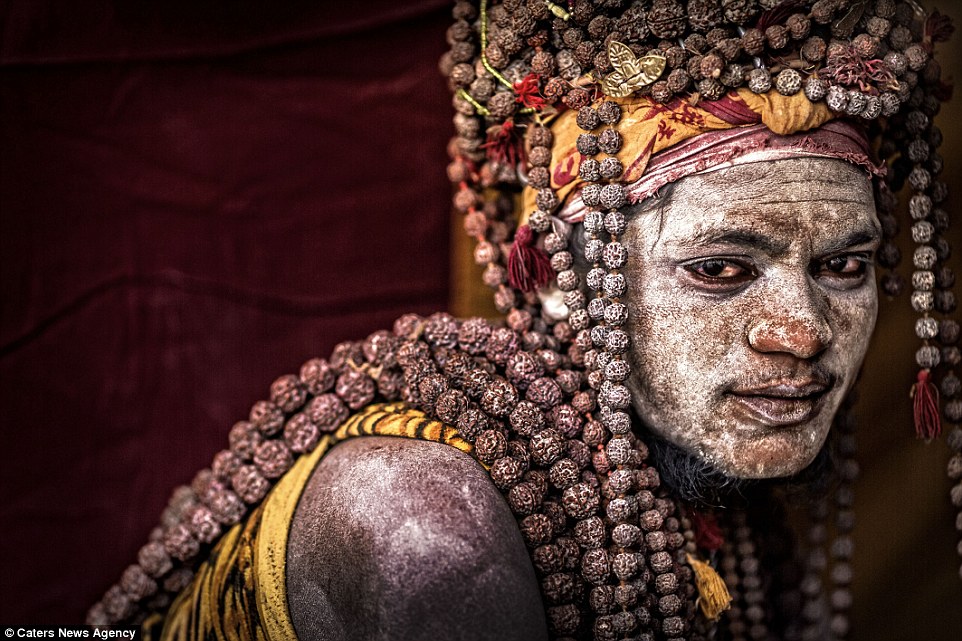
Aghoris are ascetics that practice Left Hand Tantra (Followers of Kaula Tantra, Kapalika, Kashmiri Shaivism, and Shakti Sadhakas). They follow extreme austerity in order to attain Self Realization. They are engaged in the worship of Shiva, Shakti, Dasha Mahavidyas, Ghosts, Ghouls, etc., depending on their path of sadhana. They live in crematoriums as they consider it as the most sanctified place. We are spooked by the sight of the Crematorium or by the thought of going there as it reminds us of the loss of loved ones and it is believed to be the residence of ghosts, dead bodies, and evil spirits. But for Agoris this place gives them many siddhis and peace. They consider this as home and become one with the place. Can a crematorium be so sanctified and holy to worship God and can some humans really eat the flesh of the dead? When you look at these questions with our eyes it may sound strange but when we look at it with the beliefs of an Aghori this is certainly possible and not taboo.


As per Tantric Texts Lord Shiva is considered to be Lord of the crematorium – Shamshanadhipati, in his form of Shamshan Bhairava he resides in the crematorium along with his consort Shamshan Kali. Thus residing in Shamshan is considered auspicious according to Aghoris. Shamshan (Crematoriums) is the place where the five elements of which our body is made (earth, water, fire, air, ether) are present in their original form and they go back to their original state when a body is cremated. When a sadhaka sees continuous cremation he realizes that this body is destructible and He should rise above the bodily plane to the spiritual plane.


He also understands that death is inevitable anything that is born has to die and it is in this lifetime that he can strive for enlightenment so that he does not take birth again and is freed from the cycle of birth and death.  Birth can be controlled but if one is born one has to die, and thus realizing the truth the fear of death is overcome and you develop detachment from material pleasures and sense gratification.  Etymologically ‘Sam – Shan’ can be said as a place where everyone’s status is equal, a king is also cremated there and a pauper is also cremated there, giving a sense of equality in vision. You see the world as the same and do not differentiate.


With a vision of equality you see all flesh as flesh, Aghoris eat all sorts of flesh be it human or animal. Unlike us, they do not fall for the taste as taste is also temporary and material. We have lots of recipes to make chicken, mutton, fish, or any other flesh. we see each flesh differently bearing different tastes but Aghoris consider chicken, mutton, fish, and human flesh as flesh. They do not differentiate. Also, they do not kill for food. We kill a chicken, goat, lamb, etc cause we prefer fresh meat. we will not eat the meat of someone who is already dead. But Aghoris are not like that they are not hunters but scavengers. Their way of eating is they would spot a fresh body being cremated and when the pyre is lit and their relatives leave after the funeral is complete it is then with their tong Aghoris would pick a thigh part of the dead body from the burning pyre and eat it. Just as the animals such as vultures, crows, dogs, etc scavenge to eat the remnants of the dead the same way Aghoris eat the remnants. They are not cannibals as they are no hunters, they just live on the dead.


Therefore we should not consider them cruel or inhuman. Actually, we are cruel and inhuman as we go to a nice restaurant and order some fantastic chicken and lamb, and because we ordered chicken and lamb the chef or the butcher would slaughter a fresh chicken or lamb. If the hotel would serve a lamb that got killed in a road accident you would just go and sue the restaurant for not serving fresh meat, killing for food does not seem cruel only scavenging seems cruel. When Killing is cruel or scavenging that is up to the readers to decide. When we come out of the bodily platform we forget to taste, disgust, beauty, and all the modes of the sense gratification given to us by our senses, we just see everything as the same.


The moment we start differentiation of tasty or bland, beautiful or ugly, comfort and discomfort you still are in the bodily platform. Living in the bodily platform by wearing saffron and living a life of comfort does not make you qualified to be enlightened.  There has to be detachment, austerity, sacrifice, and most important the realization of the true self. The lifestyle of Aghoris seems difficult to understand but they have truly realized souls as the amount of Austerity they perform cannot be performed by anyone.


We need to also try to know Aghoris well before we make assumptions and accuse them of cruelty and inhuman behavior, there are also a lot of Myths surrounding them as people out of fear or neglect creates stories around them. We need to uncover the Stories and try to peep into reality.